Where everyday rituals meet extraordinary craftsmanship.
Some of the most fascinating antiques are not the grandest or the most precious. They are the small, unexpected objects that reveal how people once lived, the rituals they followed, and the beauty they brought into their daily routines.
Among these forgotten treasures are the vajris, traditional Indian foot scrubbers whose unusual forms and intricate decorations make them particularly captivating to collectors today.
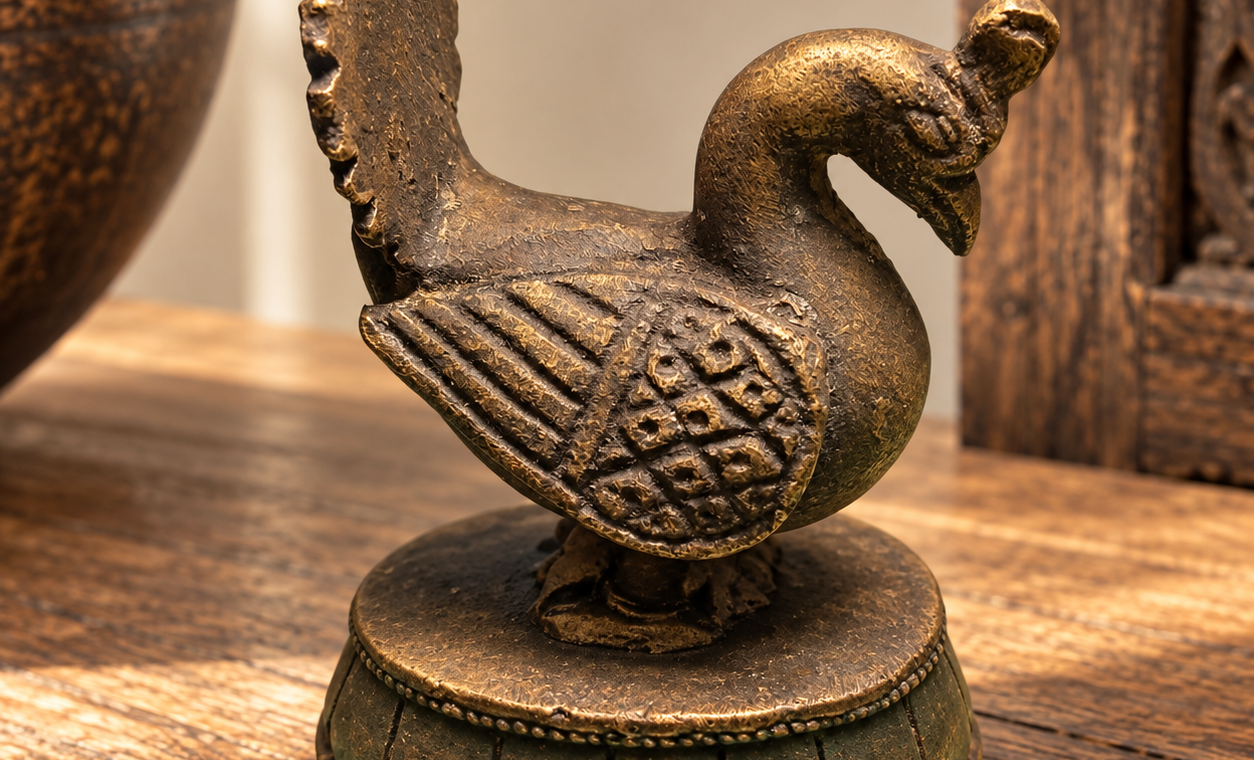
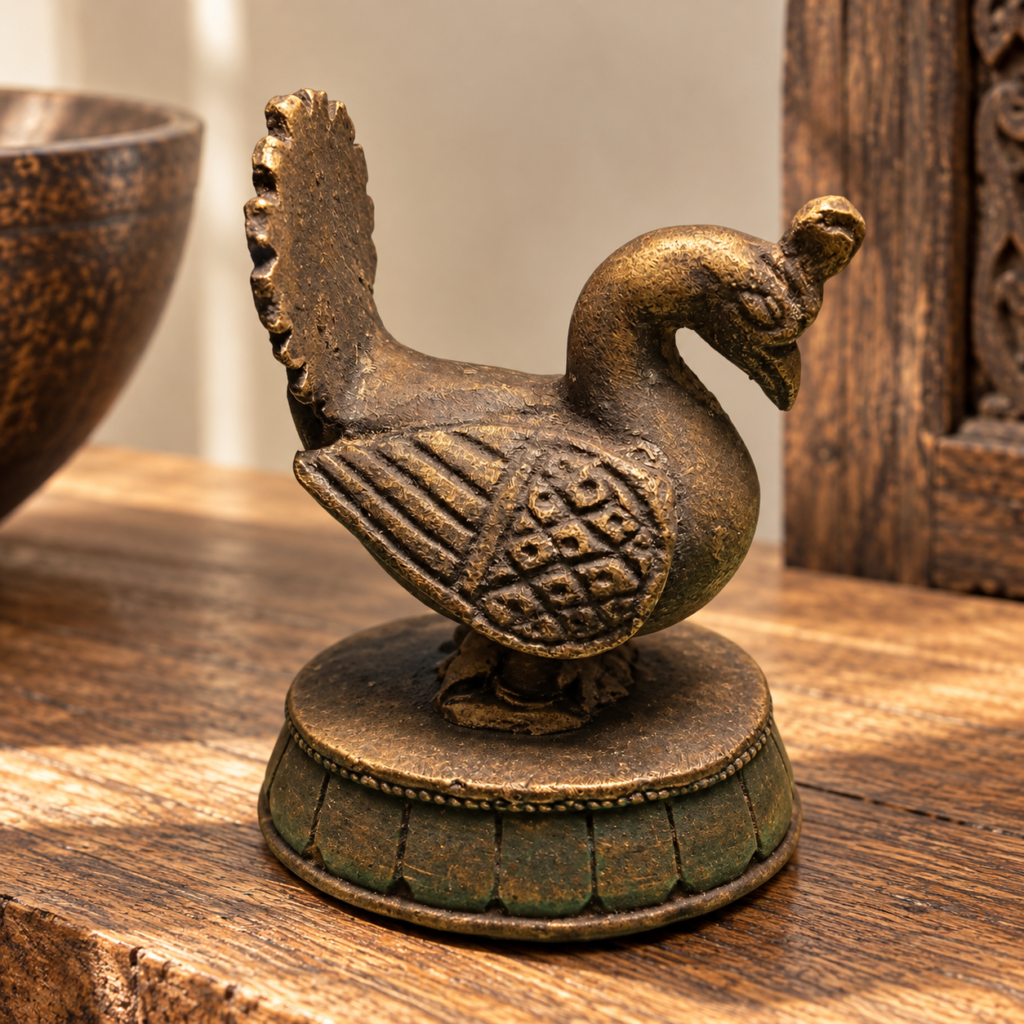
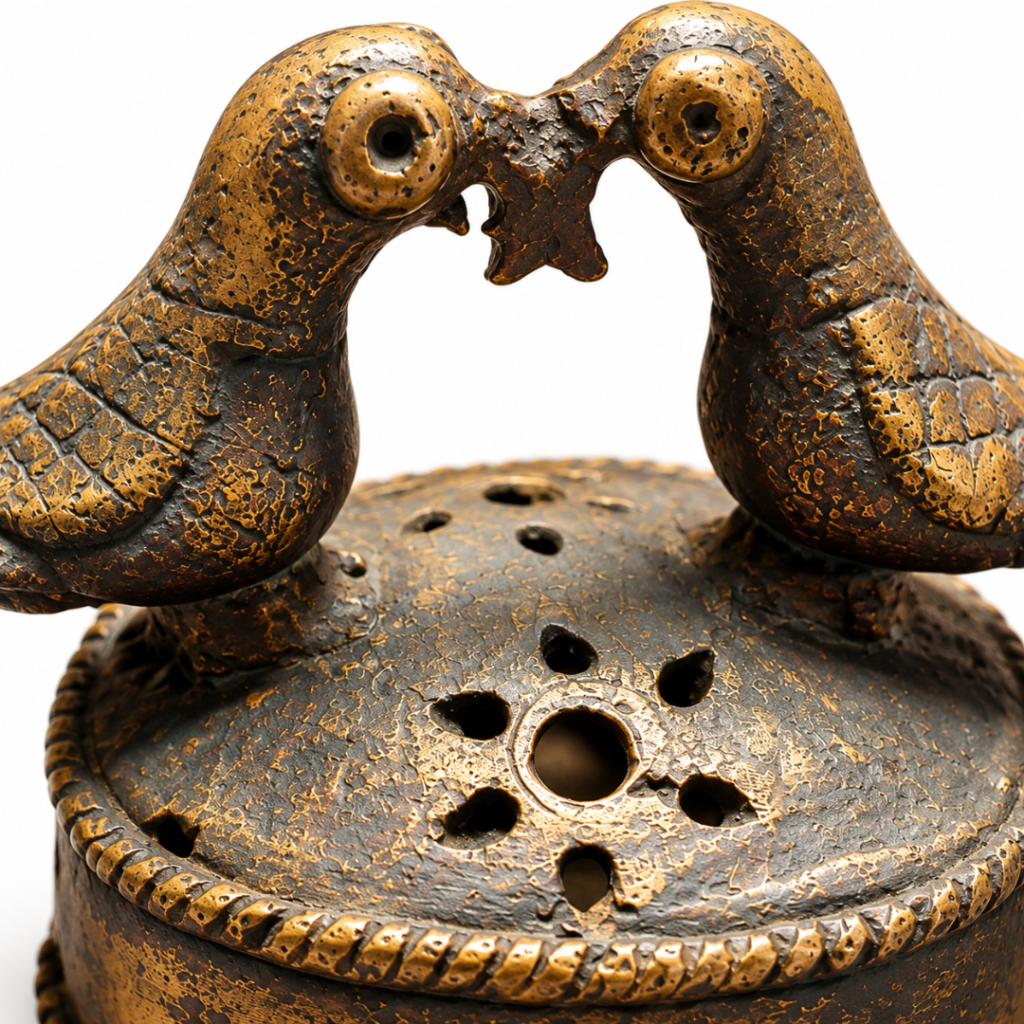
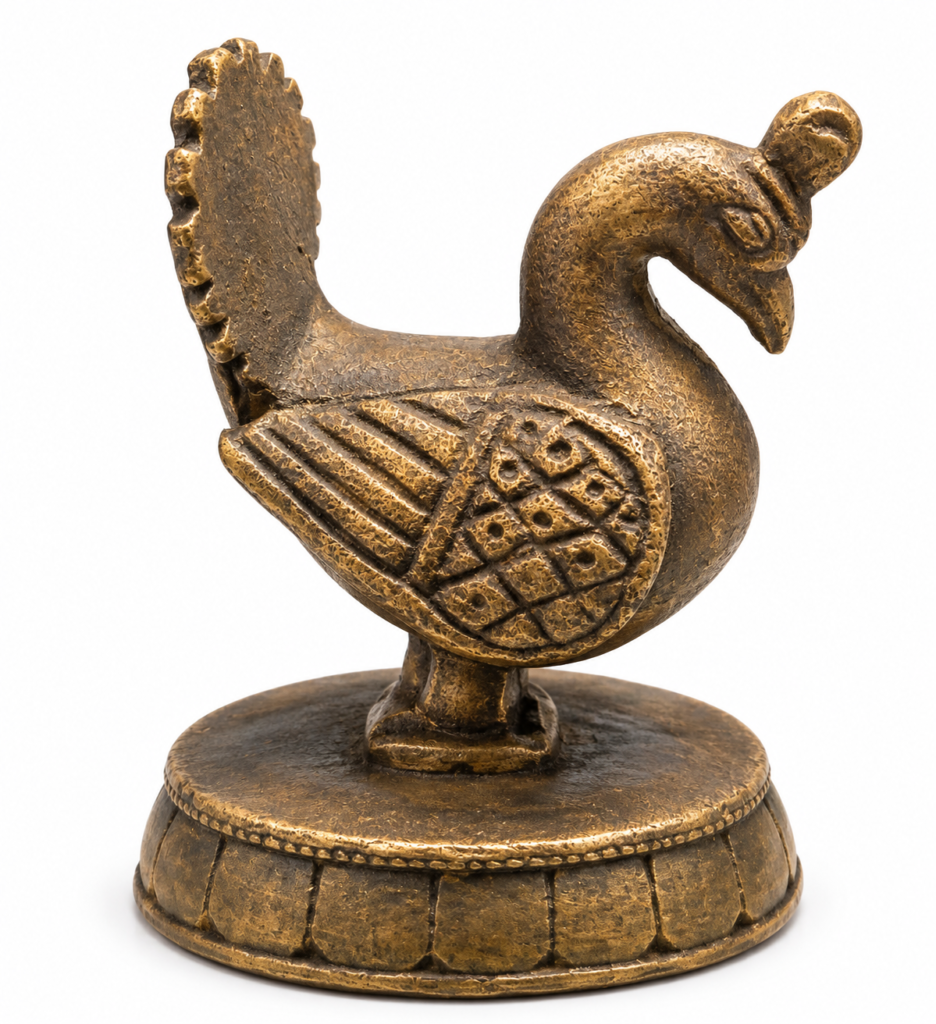
At first glance, a vajri might resemble a miniature brass sculpture. A pair of birds, a graceful peacock, an elephant or another animal form, beautifully modeled and resting upon an ornamental base.
Its original purpose, however, was surprisingly practical.
A Small Object with an Unexpected Purpose
For generations, foot care formed part of everyday bathing traditions in India.
Before modern bathroom accessories became commonplace, traditional foot scrubbers offered a simple way to clean and exfoliate the feet.
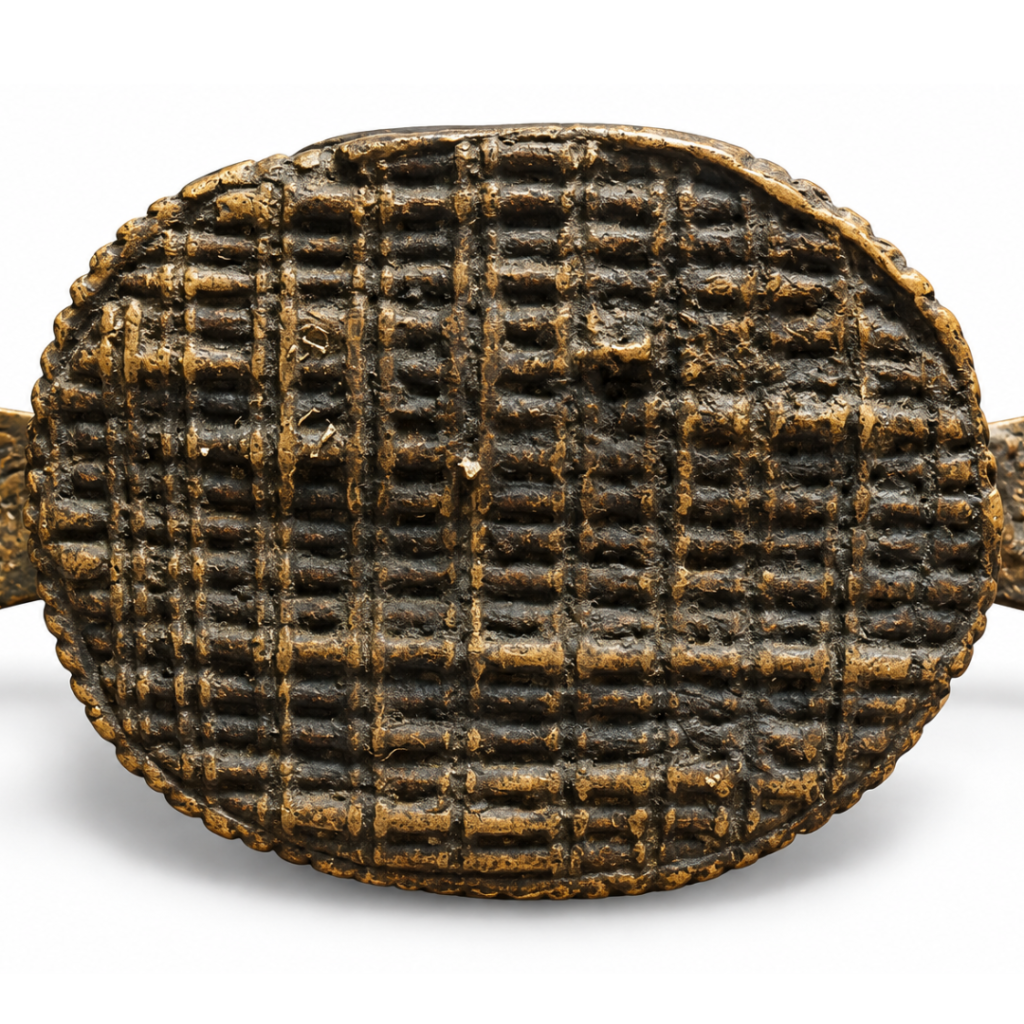
Known as vajris, these objects were designed to be used during bathing, with a textured surface that helped remove rough skin.
What makes them remarkable is the care devoted to their appearance.
Instead of producing purely utilitarian objects, Indian craftsmen created elaborate forms that transformed a familiar domestic implement into something visually extraordinary.
The result was a beautiful balance between function and ornament.
When Everyday Objects Became Works of Art
India has a long and distinguished tradition of metalworking, particularly in brass and bronze.
Across different regions, artisans developed distinctive decorative styles, drawing inspiration from nature, animals and traditional ornamental motifs.
Vajris are wonderful examples of this creativity.
Some were fashioned in the form of birds with elegantly curved necks. Others featured elephants, horses or imaginative animal compositions.
Their surfaces could be decorated with fine patterns, raised details, pierced elements and carefully shaped borders.
Even the smallest examples reveal an extraordinary appreciation for craftsmanship.
They remind us of a time when ordinary possessions were often made to last and when usefulness did not exclude beauty.
The Fascinating Details of Antique Vajris
One of the most interesting aspects of traditional vajris is the variety of their construction.
Certain examples feature hollow or perforated bodies, while others are more solid and sculptural.
Some contain small loose elements that produce a rattling sound when moved.
These unusual details have inspired different explanations relating to traditional bathing customs and the practical design of the objects.
What is certain is that their construction reflects both ingenuity and decorative imagination.
Over time, the repeated handling of these metal objects created the warm patina and softened surfaces that antique collectors particularly appreciate today.
From Traditional Bathing Ritual to Collectible Art
Today, antique vajris are appreciated not only for their historical function but also for their sculptural qualities.
Their compact proportions and distinctive silhouettes make them especially appealing to collectors of Indian antiques, traditional metalwork and unusual decorative objects.
Placed on a bookshelf, an antique console or a carefully styled coffee table, a vajri can become a beautiful conversation piece.
Its charm lies in the contrast between its humble origins and its elaborate appearance.
An object once used in everyday life becomes a small work of art, carrying the marks of time and the memory of the hands that made and used it.
The Beauty of Imperfection
There is something deeply appealing about objects that have lived another life.
A slightly worn surface, an irregular decorative detail or the rich patina of aged brass gives an antique its individual character.
These qualities are not simply signs of age. They are reminders that an object existed long before it entered a modern collection.
In a world increasingly filled with identical, mass-produced possessions, traditional objects such as vajris offer something different.
They invite us to appreciate craftsmanship, individuality and the quiet beauty of things made by hand.
Collecting Stories, Not Just Objects
At Silk Route Spire, we believe that the most interesting pieces are often those with unexpected stories.
A traditional Indian foot scrubber may seem like an unlikely treasure, yet it reveals an intimate connection to everyday customs, artistic traditions and the remarkable skills of Indian metalworkers.
It is precisely this combination of history, craftsmanship and character that makes collecting so rewarding.
Because sometimes, the most extraordinary objects were once the most ordinary.
Silk Route Spire
Collected along the way. Treasured for their stories.
A family passion for travel, antiques and craftsmanship since 1982.